Technology use in boarding schools has changed dramatically over the past decade. In 2026, digital tools are no longer limited to computer labs and classroom projectors. Boarding schools now integrate technology into academics, residential life, student wellness, communication, and campus security.
For families evaluating boarding schools, understanding how schools manage technology is increasingly important. Parents want students to benefit from innovation without becoming overwhelmed by screens or digital distractions. Educators aim to balance academic rigor with responsible technology habits. Students expect connected learning environments that mirror the modern world they will eventually enter in college and the workforce.
Today’s boarding schools are working to strike that balance through thoughtful policies, structured oversight, and intentional digital education.
How Boarding Schools Use Technology Today
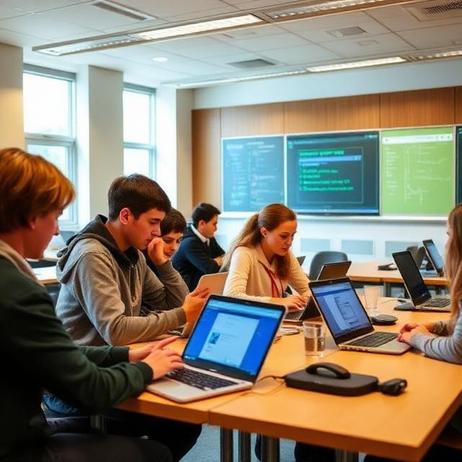
Most boarding schools now operate in highly connected learning environments. Campus-wide Wi-Fi, cloud-based coursework, and one-to-one device programs have become standard across many institutions.
Technology use in boarding schools commonly includes:
- Learning management systems for assignments and grading
- AI-assisted tutoring and study support
- Digital textbooks and research databases
- Virtual collaboration platforms
- Classroom presentation and multimedia tools
- Online parent communication portals
- Campus safety and student monitoring systems
Many schools also integrate technology into arts, engineering, robotics, media production, and entrepreneurship programs.
Families interested in broader technology trends can also explore Technology & Boarding Schools in 2025 and Technology & Screen Time in Boarding Schools.
AI and Personalized Learning in 2026
Artificial intelligence has become one of the most significant developments in education. Boarding schools