School Life

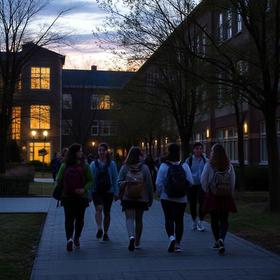
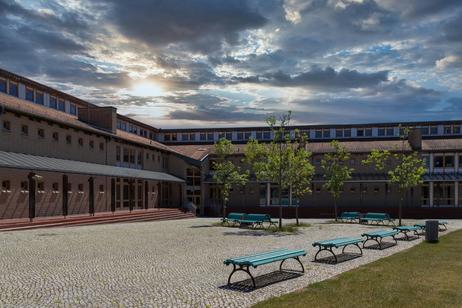
For boarding school students, and many teachers, the campus is home. Explore dormitory living, get expert advice on learning and living away from home and learn more about what can be done to help your child transition to and succeed in boarding school. Find resources for parents, teachers and students. We’ll cover sustainability, boarding school jargon, and corporal punishment. Read first-hand accounts from parents of boarding school students, find graduation gift ideas, and learn why small classes are effective.

View the most popular articles in School Life:

Boarding School Gap Year Integration Programs Guide

Updated
|
Boarding School Gap Year Integration Programs Guide
Learn how boarding school gap year integration programs work, who they benefit, and how they support student transitions in 2026.

Boarding school gap year integration programs are becoming an increasingly strategic option for students who need academic reinforcement, cultural adjustment, or a more gradual transition into residential education. In 2026, these programs are no longer viewed as alternative pathways but as structured, intentional bridges that support long-term student success.

As global mobility, academic expectations, and student preparedness continue to evolve, boarding schools are expanding flexible entry points. Gap year integration programs allow students to build essential skills while fully engaging in campus life, making them particularly valuable for international students and those entering rigorous academic environments for the first time.

This article examines how these programs function, who benefits most, and why they are playing a growing role in boarding school enrollment strategies.

What Are Boarding School Gap Year Integration Programs?

Boarding school gap year integration programs are school-based transitional experiences that combine academics, residential life, and targeted support. Unlike traditional gap years, which may involve travel or independent study, these programs are embedded within a boarding school environment.

Students typically participate in:

  • A modified or reduced academic schedule
  • Skill-building coursework, including writing and study strategies
  • Dormitory living alongside enrolled students
  • Extracurricular and community activities

The goal is to provide structured preparation while maintaining academic continuity. Students are not stepping away from education but engaging in a guided transition.

These programs align closely with the broader philosophy of boarding education, where learning extends beyond the classroom into daily life and community engagement, as outlined in foundational discussions of boarding school experiences.

. . .read more

How Boarding Schools Are Adapting to Post-Pandemic Education (2026 Update)

Updated
|
How Boarding Schools Are Adapting to Post-Pandemic Education (2026 Update)
Explore how boarding schools are adapting to post-pandemic education with hybrid learning, wellness support, and campus innovations in 2026.

How boarding schools are adapting to post-pandemic education has become one of the most important questions for families evaluating residential schooling in 2026. The COVID-19 pandemic forced rapid transformation across the education sector, but boarding schools, with their unique residential environments, faced a particularly complex challenge.

Today, how boarding schools are adapting to post-pandemic education reflects not only recovery but also innovation. From hybrid learning models to expanded student wellness services, boarding schools have redefined their approach to teaching, campus life, and student support.

This article examines how boarding schools are adapting to post-pandemic education and what these changes mean for students’ academic success, personal development, and future readiness.

A Permanent Shift: Redefining the Boarding School Experience

Understanding how boarding schools are adapting to post-pandemic education begins with recognizing that many pandemic-era changes are now permanent.

During 2020–2022, schools adopted emergency measures. By 2026, those temporary solutions have evolved into long-term strategies that enhance flexibility and resilience.

Key long-term shifts include:

  • Integration of digital and in-person instruction
  • Expanded health and wellness infrastructure
  • Greater emphasis on community and belonging
  • Increased communication with families

According to the National Center for Education Statistics, schools that maintained flexible learning systems post-pandemic saw stronger student engagement and continuity during disruptions.

How boarding schools are adapting to post-pandemic education now reflects a proactive mindset rather than reactive crisis management.

Hybrid Learning Is Here to Stay

One of the clearest examples of how boarding schools are adapting to post-pandemic education is the

. . .read more

How Boarding Schools Handle Bullying Today

Updated
|
How Boarding Schools Handle Bullying Today
Learn how boarding schools prevent bullying with modern policies, reporting systems, and student support strategies in 2026.

Bullying has long been a concern in residential education settings, but today’s boarding schools approach it with far more structure, accountability, and transparency than in the past. As expectations from parents and regulators have evolved, so too have the policies that govern student behavior and well-being.

In 2026, effective anti-bullying strategies at boarding schools are defined not just by strict rules, but by proactive culture-building, early intervention systems, and measurable outcomes. Understanding how boarding schools handle bullying today can help families evaluate whether a school’s approach aligns with their expectations for safety and student support.

The Shift From Punishment to Prevention

Historically, many schools relied on disciplinary consequences after bullying occurred. While accountability remains essential, leading boarding schools now emphasize prevention.

This shift reflects broader research showing that early intervention and positive school climate reduce incidents more effectively than reactive punishment alone. According to the U.S. Department of Education’s guidance on school climate, prevention strategies are most successful when they involve the entire community, including students, faculty, and parents

Modern boarding schools embed anti-bullying practices into daily life through:

  • Advisory systems where students meet regularly with a trusted adult
  • Residential life programming that fosters inclusion
  • Clear behavioral expectations reinforced consistently

Because students live on campus, schools have more opportunities to monitor interactions and intervene early, a distinct advantage over day schools.

Clear, Enforced Anti-Bullying Policies

One hallmark of effective boarding school bullying policies is clarity. Families should expect detailed guidelines that define:

  • What constitutes bullying, including
. . .read more

What to Pack for Boarding School: Seasonal Guide

Updated
|
What to Pack for Boarding School: Seasonal Guide
A complete seasonal packing guide for boarding school students, with practical tips for fall, winter, spring, and year-round essentials.

What to Pack for Boarding School: The Ultimate Seasonal Packing Guide

Preparing for boarding school is both exciting and daunting, especially when it comes to deciding what to bring. A thoughtful packing strategy helps students stay comfortable, organized, and focused throughout the academic year. This ultimate seasonal packing guide breaks down what to pack for boarding school, ensuring students are prepared for changing weather, campus life, and academic demands.

Whether you are a first-time boarder or a returning student refining your packing list, this guide offers practical, up-to-date advice for 2026 and beyond.

Why Seasonal Packing Matters

Boarding schools typically operate on a semester or trimester system, often spanning multiple seasons before students return home. Packing with seasonal changes in mind helps avoid overpacking while ensuring students have everything they need.

Many schools provide guidelines, and families should review those carefully. For general guidance, the National Association of Independent Schools offers helpful insights into boarding school life and expectations.

Core Essentials for Every Student

Before breaking down seasonal needs, there are foundational items every boarding student should pack.

Everyday Clothing

  • Casual outfits for classes and downtime

  • Sleepwear and undergarments

  • Athletic wear for sports or fitness

  • A formal outfit for events or presentations

Academic Supplies

  • Laptop or tablet (check school requirements)

  • Notebooks, binders, and pens

  • Backpack or book bag

  • Planner or digital scheduling tool

For guidance on digital readiness, the U.S. Department of Education highlights the importance of access to technology in modern

. . .read more

Mental Health Support in Boarding Schools: Key Questions

Updated
Mental Health Support in Boarding Schools: Key Questions
Learn what to ask about mental health support in boarding schools before enrolling your child. A practical 2026 guide for parents.

Mental health support in boarding schools has become a defining factor in enrollment decisions for families in 2026. As awareness of student well-being grows, parents are looking beyond academics, athletics, and facilities to understand how schools support emotional resilience, stress management, and psychological care.

Boarding schools offer a uniquely immersive environment. Students live, study, and socialize on campus, often far from home. This structure can foster independence and growth, but it also requires a robust support system. Parents evaluating schools must ask informed, specific questions to ensure their child will be supported both academically and emotionally.

This guide outlines what to look for, what to ask, and how to assess whether a boarding school is equipped to meet your child’s mental health needs.

Why Mental Health Support Matters More Than Ever

In recent years, student mental health concerns have risen across all education sectors. According to the Centers for Disease Control and Prevention, increasing numbers of adolescents report persistent feelings of sadness, anxiety, and stress. Boarding schools, while often offering strong community structures, must actively address these challenges.

The residential model amplifies both opportunities and risks. Students benefit from close-knit communities and access to faculty mentors, but they may also face:

  • Homesickness and separation anxiety
  • Academic pressure in competitive environments
  • Social adjustment challenges
  • Limited privacy or downtime

Strong mental health support systems are no longer optional. They are essential.

Core Components of Mental Health Support in Boarding Schools

Before diving into specific questions, it helps

. . .read more

Recent Articles

Boarding School Gap Year Integration Programs Guide
Learn how boarding school gap year integration programs work, who they benefit, and how they support student transitions in 2026.
International Student Visa Trends & Boarding Schools
Explore how international student visa trends are shaping boarding school enrollment in 2026 and what families should know.
Boarding School Residential Life Models Explained
Explore boarding school residential life models, supervision, and mentorship systems shaping student growth and community living.

Featured Schools

Featured Schools

School Life

FOR PARENTS
This section covers issues and concerns for parents of boarding school students. Explore corporal punishment, get expert advice on preventing hazing, and read first-hand accounts from parents. Learn what to do if things go wrong, see what boarding school students do in the summer, and get words of wisdom from a reluctant parent.
FOR STUDENTS
Here you’ll gain knowledge about student life at boarding school. User our glossary of terms to learn boarding school jargon, discover the importance of a partnership between school, parent and child, and find great gift ideas for the boarding school graduate.
FOR TEACHERS
The articles in this section are related to teaching at a boarding school. Learn more about what is being taught, why small class sizes work, and the impact of sustainability on boarding schools. You’ll find a list of eBooks about boarding schools, be able to view pictures of boarding school life, and explore course offerings.