Boarding school traditions are more than ceremonial customs; they are the cultural backbone of residential education. In 2026, these traditions continue to shape student identity, foster community, and reinforce values such as responsibility, independence, and belonging.
Whether a student is attending a long-established institution or a modern boarding program, understanding boarding school traditions explained in context helps families appreciate how these practices influence daily life, academic engagement, and long-term personal growth.
The Role of Boarding School Traditions in Student Life
Boarding school traditions serve several core purposes:
- Building a strong sense of community among students and staff
- Creating continuity across academic years and generations
- Reinforcing school values such as leadership, integrity, and service
- Helping students transition into structured independent living
These traditions are often embedded into daily routines, making them a defining feature of residential education rather than occasional events.
According to the National Association of Independent Schools (NAIS), school culture is a key factor in student development and engagement, particularly in residential environments where learning extends beyond the classroom.
Common Boarding School Traditions Explained
While traditions vary by institution, several patterns are widely found across boarding schools in the United States and internationally.
Morning Assembly and Chapel Services
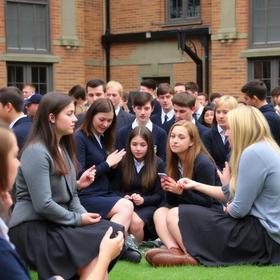
Many boarding schools begin the day with a structured gathering. This may include announcements, reflections, or chapel services.
- Encourages shared purpose at the start of the day
- Reinforces school values and community identity
- Provides a consistent rhythm for students
House System Competitions
A defining feature of many boarding schools is the “house system,” where students are grouped into communities that compete in academics, athletics, and arts.
- Promotes teamwork and healthy competition
- Builds inter-grade friendships
- Strengthens student belonging
Annual Celebrations and Founders’ Day Events
Many schools honor their history through annual traditions such as Founders’ Day, formal dinners, or award ceremonies.
These events often highlight alumni achievements and reinforce institutional legacy, linking current students with generations past.
Prefect and Leadership Traditions
Senior students often serve in leadership roles such as prefects, monitors, or house captains.
- Encourages responsibility and mentorship
- Provides leadership experience in real settings
- Helps maintain student discipline and support systems
How Boarding School Traditions Evolve in 2026
Boarding school traditions are not static. In 2026, many institutions are adapting long-standing practices to reflect modern educational priorities and student needs.
Key updates include:
- Greater emphasis on student wellness during structured routines
- Inclusion of global cultural celebrations alongside traditional events
- Digital integration for announcements and community engagement
- Expanded leadership opportunities for inclusivity and diversity
Data from the U.S. Department of Education and the National Center for Education Statistics continues to show increasing diversity in independent and boarding school populations, influencing how traditions are designed and experienced.
For families researching institutional differences, the guide on private vs. public school environments offers useful comparisons.
Why Traditions Matter in Boarding Schools
Boarding school traditions provide stability in an environment where students are growing academically, socially, and emotionally.
Key benefits include:
- Emotional grounding through predictable routines
- Strong peer relationships built through shared experiences
- Development of identity within a school community
- Preparation for structured environments beyond school life
Research from education organizations such as the Boarding Schools’ Association highlights that traditions contribute significantly to student well-being and long-term engagement in residential education settings.
Balancing Tradition and Modern Student Needs
While traditions remain central, schools are increasingly mindful of balancing heritage with modern expectations.
This includes:
- Reducing overly rigid scheduling in favor of student-centered flexibility
- Ensuring traditions are inclusive of diverse cultural backgrounds
- Updating ceremonial practices to reflect contemporary values
- Incorporating student feedback into long-standing customs
Many boarding schools now review traditions annually to ensure they remain relevant and supportive of today’s learners.
Boarding School Traditions Explained: What Families Should Know
For families considering boarding education, understanding traditions is essential. These customs are not superficial rituals; they are structural elements that shape the student experience.
When evaluating schools, parents should ask:
- How do traditions support student well-being?
- Are students actively involved in shaping school culture?
- How does the school balance tradition with innovation?
- Do traditions reflect diversity and inclusion?
Conclusion
Boarding school traditions remain a defining feature of residential education in 2026. From daily routines to major ceremonial events, these practices build identity, foster community, and support student development.
When boarding school traditions are thoughtfully maintained and modernized, they create a learning environment that is both stable and responsive to today’s educational landscape.
For families exploring options, understanding these traditions is key to choosing a school where students can thrive academically, socially, and personally.