The Benefits of Keeping Indoor Plants at Home
Indoor plants have become increasingly popular in homes around the world, and for good reason. Beyond their aesthetic appeal, indoor plants offer a wide range of physical, emotional, and environmental benefits. Whether you live in a small apartment or a large house, adding greenery to your indoor space can improve your quality of life in many ways.
Improved Air Quality
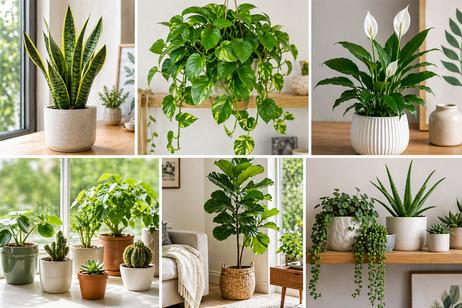
One of the most well-known benefits of indoor plants is their ability to improve air quality. Plants naturally absorb carbon dioxide and release oxygen through photosynthesis, helping to create a fresher indoor environment. Some plants, such as snake plants, peace lilies, and spider plants, are also known for filtering harmful toxins like formaldehyde, benzene, and carbon monoxide from the air.
Cleaner air can lead to better breathing, reduced allergy symptoms, and an overall healthier living space. This is especially important in urban environments where indoor air pollution can be a hidden problem.
Reduced Stress and Anxiety
Studies have shown that being around plants can reduce stress levels and promote a sense of calm. The natural color green is often associated with relaxation and balance, making plants a simple but effective way to create a peaceful atmosphere at home.
Caring for plants can also be therapeutic. Watering, pruning, and watching a plant grow can provide a sense of accomplishment and mindfulness, helping individuals feel more connected to nature even while indoors.

Enhanced Home Decor
Indoor plants are a versatile and affordable way to enhance interior design. From large statement plants like fiddle leaf figs to small succulents placed on shelves, plants can complement any style of decor.
They add texture, color, and life to a room, making spaces feel warmer and more inviting. Decorative pots and planters also allow homeowners to personalize their spaces creatively.
Increased Productivity and Focus
Having plants in workspaces or study areas has been linked to improved concentration and productivity. Research suggests that exposure to natural elements indoors can boost mood and cognitive function.
For people working from home, a desk plant can create a more pleasant and motivating environment, reducing mental fatigue and encouraging better focus throughout the day.
Better Humidity Levels
Plants release moisture into the air through a process called transpiration. This can help maintain indoor humidity levels, especially during dry seasons when heating systems make the air uncomfortable.
Proper humidity can prevent dry skin, sore throats, and respiratory irritation while also benefiting wooden furniture and flooring that may be affected by overly dry conditions.
Easy Options for Beginners
Many indoor plants are low-maintenance and perfect for beginners. Popular choices include pothos, ZZ plants, aloe vera, and jade plants. These varieties require minimal watering and can thrive in different lighting conditions.
Starting with easy-care plants helps build confidence for new plant owners and makes indoor gardening enjoyable rather than overwhelming.
Conclusion
Indoor plants are more than just decorative items—they contribute to healthier air, reduced stress, improved focus, and a more beautiful living environment. With so many varieties available, there is a perfect plant for every home and lifestyle. Whether you are looking to refresh your decor or improve your well-being, bringing nature indoors is a simple and rewarding choice.