Updated
|
The Role of Boarding Schools in Character Development
Explore how boarding schools shape character through structure, community, leadership, and values-based education in 2026.

The Role of Boarding Schools in Character Development

Parents evaluating educational options increasingly ask not only how well a school prepares students academically, but also how it shapes who they become. The role of boarding schools in character development has long been central to their mission, yet in 2026 it is more intentional, research-informed, and outcomes-driven than ever before.

Boarding schools operate as immersive learning communities. Students live, study, compete, and reflect within a shared environment that reinforces values daily. This article examines the role of boarding schools in character development, exploring how residential education builds integrity, resilience, empathy, leadership, and independence in ways day schools often cannot replicate.

Why Character Development Remains Central to Boarding Education

The role of boarding schools in character development is rooted in history. Early boarding institutions were founded to educate the whole child, mind, body, and character. While pedagogy has evolved, the commitment to moral and personal growth remains consistent.

In 2026, character development is no longer implicit. Many boarding schools articulate clear character outcomes tied to strategic plans, accreditation standards, and parent expectations. According to the National Association of Independent Schools, schools are increasingly measuring social-emotional and ethical growth alongside academic performance, reinforcing the role of boarding schools in character development as a measurable priority.

Living and Learning: The Power of the Residential Model

One of the most distinctive aspects of the role of boarding schools in character development is the residential experience itself.

. . .read more

Boarding Schools & Phone/Social Media Policies 2026

Updated
|
Boarding Schools & Phone/Social Media Policies 2026
Updated 2026 guide to boarding school phone and social media policies, costs, enrollment cycles, trends, and planning advice for parents.

Boarding Schools and Phone/Social Media Policies 2026

For families exploring boarding schools now, cell phone and social media policies are central to both student life and parent planning. As 2026 enrollment cycles open and tuition rises continue, understanding how schools manage technology in academic and residential settings helps you assess fit, culture, and expectations. This update reflects current costs, evolving policies, recent examples, and expert guidance for decisions in the coming year.

Why Policies Are Evolving
Boarding schools, unlike day schools, oversee students around the clock. That residential context makes device policies more complex. Research increasingly links unfettered smartphone and social media use to anxiety, sleep disruption, distraction, and lower academic focus, prompting schools to clarify when and how devices are allowed. National and international trends, including public school cellphone restrictions and legislative activity, reinforce this focus on concentration and wellbeing.

Cost and Enrollment Context in 2026
While phone and social media policies are often evaluated independently, they intersect with broader planning concerns like cost and enrollment. In the U.S., the average annual tuition for a five-day boarding program is about $55,000 and around $69,000 for a seven-day program, with elite schools frequently above these figures. These averages are likely to rise modestly in 2026 with inflation and staffing cost pressures.

Private school enrollment overall remains a minority of U.S. K–12 students (about 9 percent), and boarding is only a subset of that figure. While national data do not break out boarding specifically, private school participation

. . .read more

Military Boarding Schools 2026: Relevance, Costs, Trends

Updated
|
Military Boarding Schools 2026: Relevance, Costs, Trends
Explore military boarding schools in 2026, including costs, enrollment trends, expert perspectives, and planning guidance for parents choosing the right school.

Military boarding schools have been part of the U.S. educational landscape for more than a century. In 2026, families and educators are revisiting the question: do these institutions still hold value in an era defined by alternative pathways, evolving student needs, and significant cost pressures? This article examines updated data, modern trends, and practical planning considerations for parents evaluating military boarding school options today.

Understanding the Model

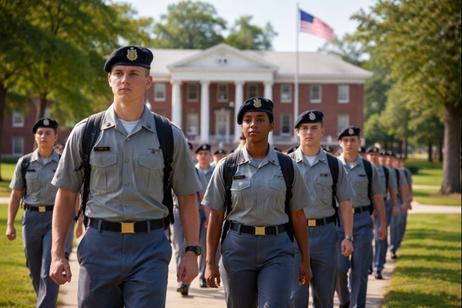
Military boarding schools are residential, college-preparatory schools that incorporate elements of military structure, discipline, leadership development, uniforms, and often Junior ROTC or equivalent cadet programs. Unlike the U.S. service academies, attendance does not require a commitment to military service. Instead, the model blends structured routines with academic preparation and leadership skill building.

How Many Schools and Students Today

For the 2026 school year, there are 14 military boarding schools in the United States and Canada serving approximately 3,700–3,703 students. These schools range in size, mission, and cost, but share a common emphasis on leadership and structured residential life.

Why the Model Still Offers Value

Military boarding schools remain relevant for families seeking specific educational outcomes:

  • Leadership and Discipline: Schools emphasize structured environments that practice time management, responsibility, and leadership roles in daily life.

  • Academic Preparation: Many military boarding schools offer rigorous college preparation similar to other private boarding schools, with small class sizes and individualized support.

  • Residential Community and

. . .read more

Alumni Networks & Boarding Schools: How Connections Drive Career & College Success

Updated
|
Alumni Networks & Boarding Schools: How Connections Drive Career & College Success
Explore how active boarding school alumni networks drive college access, career opportunities, mentorship, and lifelong professional success for students.

Alumni Networks & Boarding Schools: How Connections Drive Career & College Success

In 2026, families choosing a boarding school for their child’s education increasingly weigh not only academic programs and campus life but also the long-term impact of the school’s alumni network. Alumni networks are the formal and informal systems that link a school’s graduates with one another and with current students. These networks can offer mentorship, career pathways, college guidance, and professional referrals that extend well beyond the classroom.

For boarding schools, which often emphasize lifelong community and leadership development, alumni networks are strategic assets that can influence outcomes long after graduation. This article explains how alumni networks function, why they matter for educational and career trajectories, and how boarding schools are enhancing alumni engagement to benefit students today.

Why Alumni Networks Matter for Boarding Schools

An alumni network is the collective body of graduates from an institution and the structured opportunities for them to stay connected. These networks help cultivate social capital, defined as the relationships that enable individuals to advance socially and economically. Social capital facilitates access to opportunities that might otherwise remain hidden.

1. Expanding Access to College & Career Opportunities

Strong alumni networks provide current students and recent graduates with:

  • Mentorship and guidance from professionals who have already navigated college admissions and careers.

  • Exclusive job postings or internships that are circulated within alumni

. . .read more

How Boarding Schools Use Data Analytics to Support Student Success

Updated
|
How Boarding Schools Use Data Analytics to Support Student Success
Explore how boarding schools leverage data analytics to improve student success through early interventions, personalized learning, and strategic decisions.

How Boarding Schools Are Using Data Analytics to Support Student Success

In 2026, data analytics in education has moved far beyond administrative reporting and now plays a central role in supporting student success at boarding schools around the world. From early warning systems that identify struggling learners to dashboards that help educators tailor instruction, boarding schools are embracing data-driven strategies to improve academic outcomes, enhance student engagement, and support whole-student development.

This long-form article explores how boarding schools use data analytics to support student success, what tools and strategies they employ, and how these innovations align with broader educational trends.

What Is Data Analytics in Boarding School Education?

At its core, data analytics in boarding schools involves collecting, processing, and analyzing information to help educators make informed, evidence-based decisions. Unlike traditional grade books or attendance logs, modern analytics platforms integrate multiple data sources — including academic performance, attendance, behavior records, engagement metrics, and even social-emotional indicators — to uncover trends and insights that might otherwise go unnoticed.

These analytics fall into several categories:

  • Descriptive Analytics: What has happened? (e.g., attendance patterns, test performance)

  • Diagnostic Analytics: Why did it happen? (e.g., correlating behavior with academic dips)

  • Predictive Analytics: What is likely to happen? (early identification of at-risk students)

  • Prescriptive Analytics: What should educators do? (recommend targeted interventions)

Across education sectors, this approach has been

. . .read more

Recent Articles

What Happens During School Breaks for Boarding Students Who Stay on Campus
Learn what happens during school breaks for boarding students who remain on campus, including housing, meals, activities, supervision, and support services.
A Day in the Life of a Dorm Parent: Inside Residential Faculty Life
A day in the life of a dorm parent: how residential faculty support, mentor, supervise, and guide students while building community and shaping the boarding school experience.
How Boarding Schools Assign Dorms, Advisors & Schedules
Learn how boarding schools assign dorm rooms, faculty advisors, and class schedules, and what families should expect before move-in day.