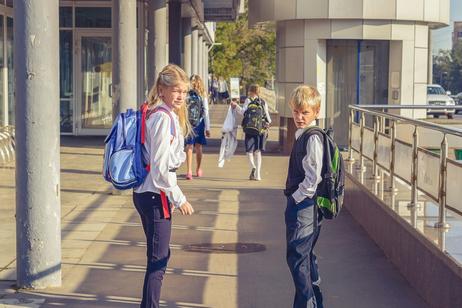
For Parents

This section covers issues and concerns for parents of boarding school students. Explore corporal punishment, get expert advice on preventing hazing, and read first-hand accounts from parents. Learn what to do if things go wrong, see what boarding school students do in the summer, and get words of wisdom from a reluctant parent.

View the most popular articles in For Parents:

Boarding Schools Offering IB Programs: A Parent’s Guide (2025 Edition)

Updated
|
Boarding Schools Offering IB Programs: A Parent’s Guide (2025 Edition)
Discover how boarding schools offering IB programs support global-ready students, key questions to ask, and top options for 2025 admissions.

Introduction

For parents evaluating secondary school options, selecting a boarding school offering an International Baccalaureate Diploma Programme (IB DP) can be a significant decision. The IB program is recognised worldwide for its rigorous curriculum and emphasis on inquiry, global awareness, and university preparation. In 2025, interest in boarding schools offering IB programs continues to grow, making it essential for families to understand what this route involves.

This article explores the advantages of boarding schools with IB programs, how to evaluate them, key questions to ask, and illustrative examples of schools. It is designed for parents, students, and educators seeking reliable, up-to-date guidance.

What Is the IB Program and Why Select It at a Boarding School?

Understanding the IB Program

The IB Organization authorises schools to deliver its programmes, including the Diploma Programme (DP) for students aged 16–19. Schools must meet strict global standards for curriculum quality and student support. International Baccalaureate®

According to the IB website, an IB World School is one that has been authorised to deliver one or more of the IB programmes. ibyb.org

Why Choose a Boarding School Offering the IB Program?

Boarding schools offering IB programs combine the residential environment—often with a diverse, international student body—with the academic depth of the IB Diploma. Key benefits include:

  • A structured residential setting that supports students’ learning, social development, and independence.

. . .read more

Parents’ Key Concerns About Sending Their Child to Boarding School

Updated
|
Parents’ Key Concerns About Sending Their Child to Boarding School
A 2025-update on the major questions parents ask before entrusting their child to boarding school—cost, safety, well-being, and outcomes.

Deciding to send your child to a boarding school is one of the most significant educational choices a family can make. With the evolving landscape of independent and residential schools in 2025, parents are increasingly asking the right questions about whether this pathway is truly right for their child. This article revisits the core concerns parents raise—financial, emotional, academic, and developmental—and provides updated data, context and suggestions for navigating the decision with confidence.

1. Cost and Affordability

One of the foremost concerns for many families remains the cost of boarding school. In 2025, families considering full-time residential schooling should be cognisant of the following:

  • According to the recent update on Boarding School Review, the average tuition (including room and board) for seven-day boarding programmes ranges between $60,000 and $80,000 per year.

  • For five-day boarding (students return home on weekends), the national average is closer to $55,000 annually.

  • Individual schools may set full boarding fees in the range of $70,000 or more—for example, one school listed tuition at $75,500 for boarding in 2025. Boarding School Review

  • On the aid front, nearly 40% of boarding students receive need-based or merit aid at many institutions, with some schools covering full tuition for families under specific income thresholds.

Tips for parents:

  • Ask the school for

. . .read more

Boarding School Safety Checklist for Parents 2025

Updated
|
Boarding School Safety Checklist for Parents 2025
A comprehensive guide for parents on how to evaluate safety at boarding schools in 2025—key questions, protocols and expert tips.

Boarding School Safety: What Parents Should Ask Before Enrolling

Selecting a boarding school is a significant decision—and ensuring your child’s safety should be among your top priorities. In 2025, parents must navigate evolving risks: mental-health pressures, digital threats, peer dynamics, and facilities issues. This article equips you with the framework and specific questions to ask when assessing boarding school safety.

Why Safety Must Be Proactively Assessed

Boarding schools extend education well beyond the classroom: students live, learn and socialise on campus 24/7. That intensity increases the importance of physical, emotional and digital safety. A recent review noted that boarding schools are now much more mindful of risk management than a decade ago. College Confidential Forums According to one resource, “20 Questions Every Parent Should Ask” about school safety apply directly to boarding settings. School Safety

Rather than assume that “it’s safe”, it is critical to ask concrete questions—and insist on transparency. Below are key domains and questions to guide your conversation with prospective schools.

Core Domains of Safety to Investigate

1. Physical and Campus Security

Questions to ask:

  • How is access to dorms and academic buildings controlled? Are there entry card systems, visitor sign-in logs, CCTV?

  • What is the ratio of staff to boarders during day and night?

  • Are there regular safety drills (fire, lock-down, weather emergency)?

. . .read more

How to Prepare Your Child for Boarding School Life

Updated
|
How to Prepare Your Child for Boarding School Life
Essential guide for parents: how to prepare your child emotionally, academically, and socially for successful boarding school life.

How to Prepare Your Child for Boarding School Life

Sending a child to boarding school is a profound transition—for the student, the family, and the school community. A thoughtful, gradual approach can ease the shift and help your child thrive in this new environment. Below is a practical, research-informed roadmap to prepare your child (and yourself) for boarding school life in 2025.

1. Begin Early: A Gradual Mindset Shift

Starting preparation several months—rather than weeks—before enrollment helps reduce shock. SocialLife

  • Introduce the idea gently (discussions, photos, stories).

  • Visit the campus if possible. This helps your child visualize daily life ahead of time.

  • Walk through daily routines together: waking early, packing a bag, organizing schoolwork.

  • Involve your child in planning (e.g. choosing bedding, supplies) so they feel a sense of agency.

Why this matters: Early exposure reduces novelty, gives time for emotional adjustment, and helps your child internalize what the boarding environment entails.

2. Build Key Life Skills at Home

Boarding school demands self-sufficiency. The more familiar your child is with basic tasks, the smoother their transition.

a. Self-care & housekeeping

  • Teach them basic laundry, folding, organizing clothes, and managing toiletries.

  • Encourage them to keep their bedroom at home tidy as a habit.

. . .read more

International Students in U.S. Boarding Schools: What Parents Should Know

Updated
|
International Students in U.S. Boarding Schools: What Parents Should Know
A detailed guide for parents on U.S. boarding schools for international students—admissions, visas, costs, supports, and best practices for 2025.

International Students in U.S. Boarding Schools: What Parents Should Know

Sending your child abroad to attend a U.S. boarding school is a major decision—especially for international families. In 2025, with evolving visa regulations, rising tuition, and shifting global competition, understanding the ins and outs of U.S. boarding for international students is more critical than ever. This article guides parents, students, and educators through key considerations, best practices, benefits, and risks of enrolling as an international boarding student in the U.S.

Why Consider a U.S. Boarding School as an International Student

Academic & Preparatory Advantages

U.S. boarding schools often offer:

  • Rigorous, college-preparatory curricula (AP, honors, or even IB)

  • Close faculty access, small class sizes, and structured academic supervision

  • College counseling and alumni networks oriented toward U.S. higher education

  • Immersion in English and American culture, which helps transition to U.S. colleges

These elements can give international students a stronger footing when applying to U.S. universities.

Cultural Exposure & Network Building

Living on campus allows students to:

  • Forge friendships with peers from across the U.S. and the world

  • Develop cross-cultural skills, global mindsets, and independence

  • Access extracurriculars, leadership opportunities, and advanced facilities

Many boarding schools in the U.S. actively recruit and support international

. . .read more

Recent Articles

What Happens During School Breaks for Boarding Students Who Stay on Campus
Learn what happens during school breaks for boarding students who remain on campus, including housing, meals, activities, supervision, and support services.
A Day in the Life of a Dorm Parent: Inside Residential Faculty Life
A day in the life of a dorm parent: how residential faculty support, mentor, supervise, and guide students while building community and shaping the boarding school experience.
How Boarding Schools Assign Dorms, Advisors & Schedules
Learn how boarding schools assign dorm rooms, faculty advisors, and class schedules, and what families should expect before move-in day.