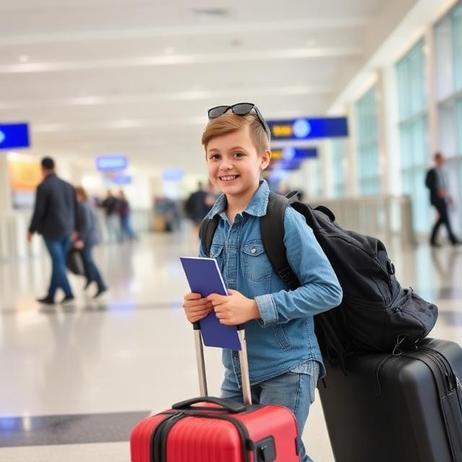
Safe Travel Guide for International Boarding Students (Airports, Guardians, Visas)
For families sending a child abroad for boarding school, travel logistics can feel almost as important as choosing the right school. A well-planned journey helps students arrive safely, confidently, and prepared to begin life in a new country. From visa requirements and airport procedures to guardian arrangements and emergency planning, every detail matters.
This safe travel guide for international boarding students outlines the key steps families should take before departure, during travel, and upon arrival. With international student mobility continuing to grow in 2026, boarding schools are strengthening support systems, but parents still play a critical role in ensuring a smooth transition.
Why Travel Planning Matters for Boarding Students
International boarding students often travel independently or with limited supervision. Unlike a family vacation, a school journey may involve:
- Long-haul international flights
- Immigration and customs procedures
- School-arranged transportation
- Guardian requirements
- Visa compliance obligations
- Emergency communication planning
Careful preparation reduces stress and helps students navigate unfamiliar environments with confidence.
Essential Travel Documents Checklist
Before booking flights, families should verify that all required documentation is complete and valid.
Core Documents
Students should carry:
- Valid passport
- Student visa or study permit
- School acceptance letter
- Enrollment confirmation documents
- Travel itinerary
- Emergency contact information
- Health insurance documentation
- Guardian contact information (if applicable)
Experts recommend carrying both physical and digital copies of important documents.
Create a Travel Folder
Many boarding schools advise students to keep documents organized in a dedicated travel folder containing: