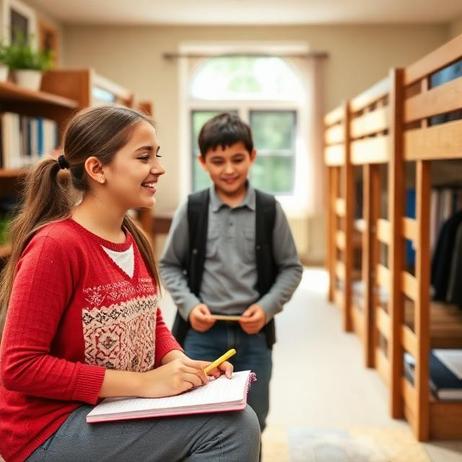
For many families, homeschooling offers flexibility, individualized instruction, and close family connection. Yet as students reach middle school or high school, some parents begin exploring boarding school as a pathway to greater academic rigor, extracurricular opportunities, college preparation, and social development.
The homeschool to boarding school transition can be highly successful, but it requires thoughtful preparation. Students moving from a home-based learning environment into a structured residential school setting often face adjustments in academics, independence, routines, and peer relationships.
In 2026, boarding schools are increasingly familiar with applicants from nontraditional educational backgrounds. Admissions offices have adapted their evaluation processes, and many schools now actively recruit homeschooled students who demonstrate curiosity, self-motivation, and strong family support.
Still, parents should understand the practical and emotional challenges involved before making the leap.
Why Homeschool Families Choose Boarding School
Families pursue boarding school for many reasons, and motivations often evolve over time.
Common factors include:
- Access to advanced STEM, arts, or language programs
- Greater athletic or performing arts opportunities
- Preparation for competitive colleges
- Desire for structured accountability
- Expanded social experiences
- Specialized learning support
- Preparation for independent adulthood
For some students, the transition occurs naturally after years of successful homeschooling. Others may seek a new environment after outgrowing local academic options.
According to the National Center for Education Statistics, homeschooling remains a significant and growing segment of American education, particularly among families seeking personalized instruction. At the same time, many boarding schools have expanded mentoring, wellness, and transition programs to