Summer boarding school programs continue to grow in popularity as families seek meaningful academic and personal enrichment opportunities outside the traditional school year. These programs offer students a chance to experience campus life, explore new interests, and build independence in a structured, supportive setting.
While the core appeal of summer boarding school programs remains consistent, recent years have introduced new trends, expanded access, and evolving program formats. This updated guide highlights what families should know in 2026.
What Are Summer Boarding School Programs?
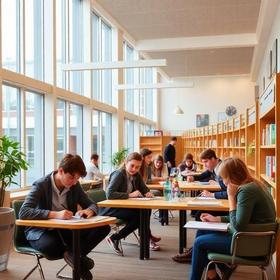
Summer boarding school programs are short-term residential experiences hosted by boarding schools, typically lasting between two and eight weeks. Students live on campus, participate in academic courses or enrichment activities, and engage in structured social and extracurricular programming.
These programs are often open to middle and high school students, including both current boarding school students and those enrolled in day schools.
They serve a wide range of goals:
- Academic advancement or remediation
- Exploration of subjects not offered during the regular school year
- Preparation for boarding school or college life
- Personal growth and independence
For families considering a full-time boarding experience, summer programs can also serve as an introduction to campus life. For a broader overview of the boarding school experience, see https://www.boardingschoolreview.com/blog/why-boarding-school.
Key Benefits of Summer Boarding School Programs
Academic Enrichment in a Focused Environment
Summer programs often provide access to rigorous coursework in smaller class settings. Many schools offer specialized tracks such as:
- STEM research and labs
- Creative writing and performing arts
- Business and entrepreneurship
- Language immersion
In recent years, there has been a notable increase in AI, coding, and data science offerings, reflecting broader educational trends. According to the National Center for Education Statistics, STEM participation in secondary programs has steadily increased since 2023, particularly in summer enrichment settings.
Experiencing Boarding School Life
Students gain firsthand exposure to dorm living, structured schedules, and faculty mentorship. This can be especially valuable for those considering applying to boarding schools.
You can explore how these environments differ from day schools in https://www.boardingschoolreview.com/blog/boarding-school-vs-day-school-key-differences-for-families.
Building Independence and Confidence
Living away from home, even temporarily, helps students develop:
- Time management skills
- Self-advocacy
- Personal responsibility
These are critical competencies for both high school success and college readiness.
Diverse Peer Networks
Many summer boarding programs attract students from across the country and around the world. This diversity enhances:
- Cultural awareness
- Collaboration skills
- Global perspective
Recent program data from leading boarding schools indicates that international enrollment in summer sessions has rebounded to pre-2020 levels, with students representing 30 to 60 countries in some programs.
2024–2026 Trends in Summer Boarding School Programs
Expanded Access and Scholarships
A major shift in recent years has been increased access to summer programs through financial aid and scholarships. Many schools have expanded need-based assistance, and some offer fully funded programs for high-achieving students.
Organizations such as the U.S. Department of Education continue to emphasize equitable access to enrichment opportunities, influencing program funding priorities.
Hybrid and Specialized Program Models
While most programs have returned to fully residential formats, some schools now offer hybrid options:
- Pre-program virtual coursework
- Post-session mentorship or project continuation
- Blended academic and experiential learning models
This flexibility allows students to extend learning beyond the summer session.
Focus on Wellness and Social-Emotional Learning
Post-2023, there has been a stronger emphasis on student well-being. Many programs now integrate:
- Mindfulness and stress management
- Leadership development
- Community-building activities
The American Academy of Pediatrics has highlighted the importance of social-emotional development in adolescent programs, reinforcing this trend.
College Preparation Integration
An increasing number of summer programs now incorporate college counseling elements, including:
- Essay writing workshops
- Interview preparation
- Campus visits or virtual tours
These features align with growing competition in college admissions and early preparation strategies.
Typical Structure of a Summer Boarding Program
Below is a general overview of what students can expect:
| Component | Description |
|---|---|
| Academics | Daily classes or workshops in chosen subjects |
| Residential Life | Dorm living with supervision and structured routines |
| Extracurriculars | Sports, arts, clubs, and evening activities |
| Field Trips | Cultural, educational, or recreational outings |
| Support Services | Advisors, counselors, and health staff |
Programs typically maintain a balanced schedule to ensure both academic rigor and personal enjoyment.
Costs and Financial Considerations in 2026
Tuition for summer boarding school programs varies widely depending on duration and specialization.
Typical cost ranges:
- 2-week programs: $2,000 to $5,000
- 4–6 week programs: $6,000 to $15,000
- Elite or specialized programs: $15,000+
However, families should note:
- Financial aid availability has increased
- Some schools offer sliding scale tuition
- External scholarships may apply
The National Association of Independent Schools reports that more than 25 percent of independent schools now offer summer financial aid, a figure that has grown steadily since 2022.
How to Choose the Right Program
Selecting the right summer boarding school program requires careful consideration of several factors.
Academic Fit
Look for programs that align with the student’s interests and goals. Avoid choosing solely based on prestige.
Program Length
Younger or first-time participants may benefit from shorter sessions, while older students may prefer immersive, longer programs.
Campus Environment
Consider the size, location, and culture of the school. Reviewing school profiles on Boarding School Review can help families compare options.
Support Systems
Ensure the program offers:
- Adequate supervision
- Academic support
- Health and wellness services
Outcomes and Reputation
Research program outcomes, including:
- Student feedback
- Faculty credentials
- Alumni experiences
For additional context on evaluating boarding environments, families may find it helpful to read https://www.boardingschoolreview.com/blog/boarding-school-myths.
Are Summer Boarding School Programs Worth It?
For many students, the answer is yes. These programs offer a unique blend of academic challenge, personal growth, and social engagement.
They are particularly valuable for:
- Students considering boarding school
- Those seeking academic enrichment beyond local options
- Individuals looking to build independence before college
However, they are not one-size-fits-all. Families should weigh costs, goals, and student readiness before committing.
Final Thoughts
Summer boarding school programs remain a compelling option for students seeking growth beyond the traditional classroom. In 2026, expanded access, evolving program models, and a stronger focus on student well-being have made these opportunities more relevant than ever.
As families explore their options, it is important to prioritize fit over prestige and to consider both the academic and personal benefits these programs offer. With thoughtful planning, a summer boarding experience can be both transformative and rewarding.